 Long Term Survival
← Dashboard
Is the power not coming back on? Has the sky fallen? Is it all over?
The Long Term Survival module runs on your device and keeps working without a network. It covers fish production, vertical towers and the food forest, issues daily, weekly and monthly orders, and shows planting cycles for your USDA hardiness zone. A library of public-domain almanacs and field manuals is included.
Then it's time to get to work.
Food production, water discipline and planting intelligence — the complete offline repository. This module runs entirely on your device: your zone, your schedule and your log never leave it.
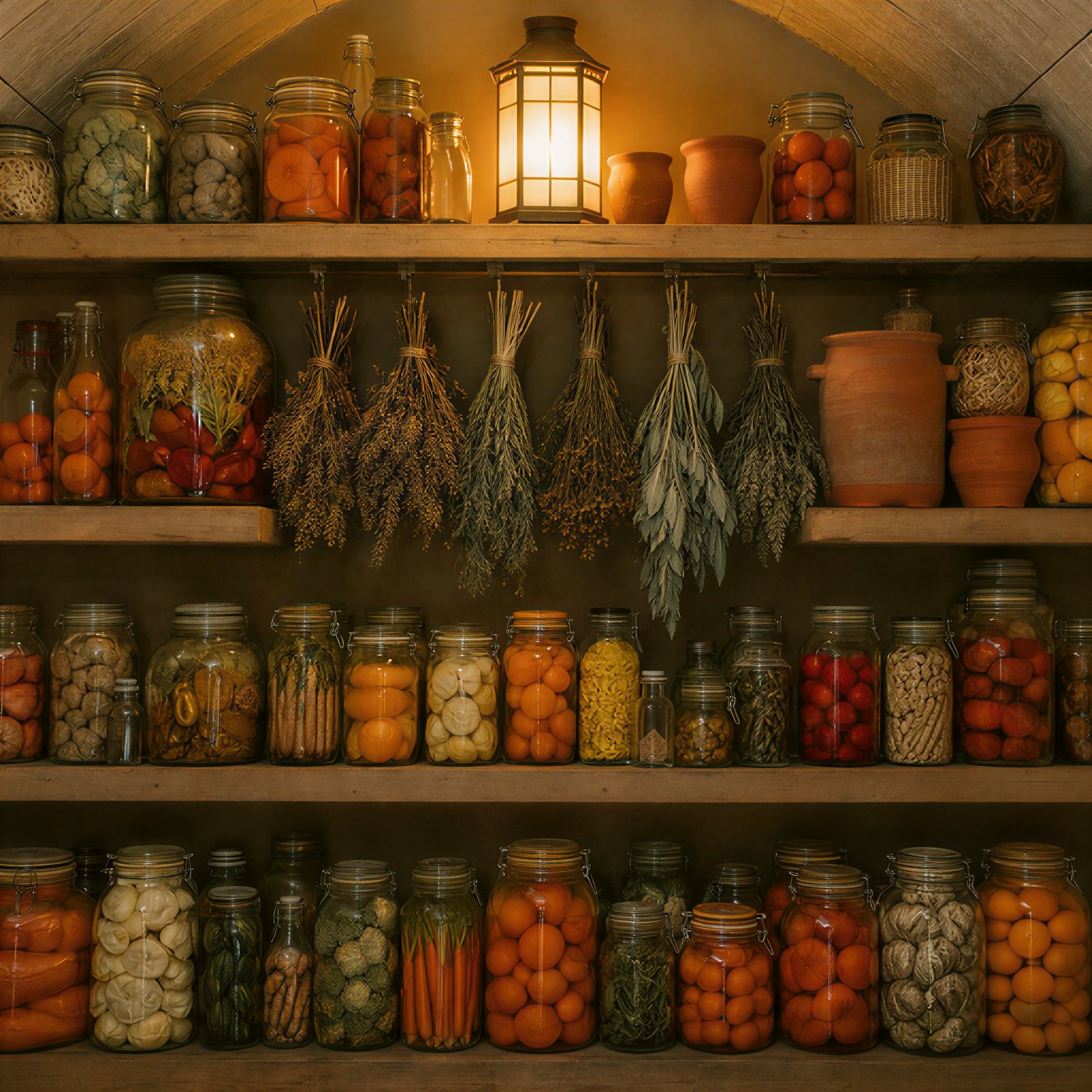
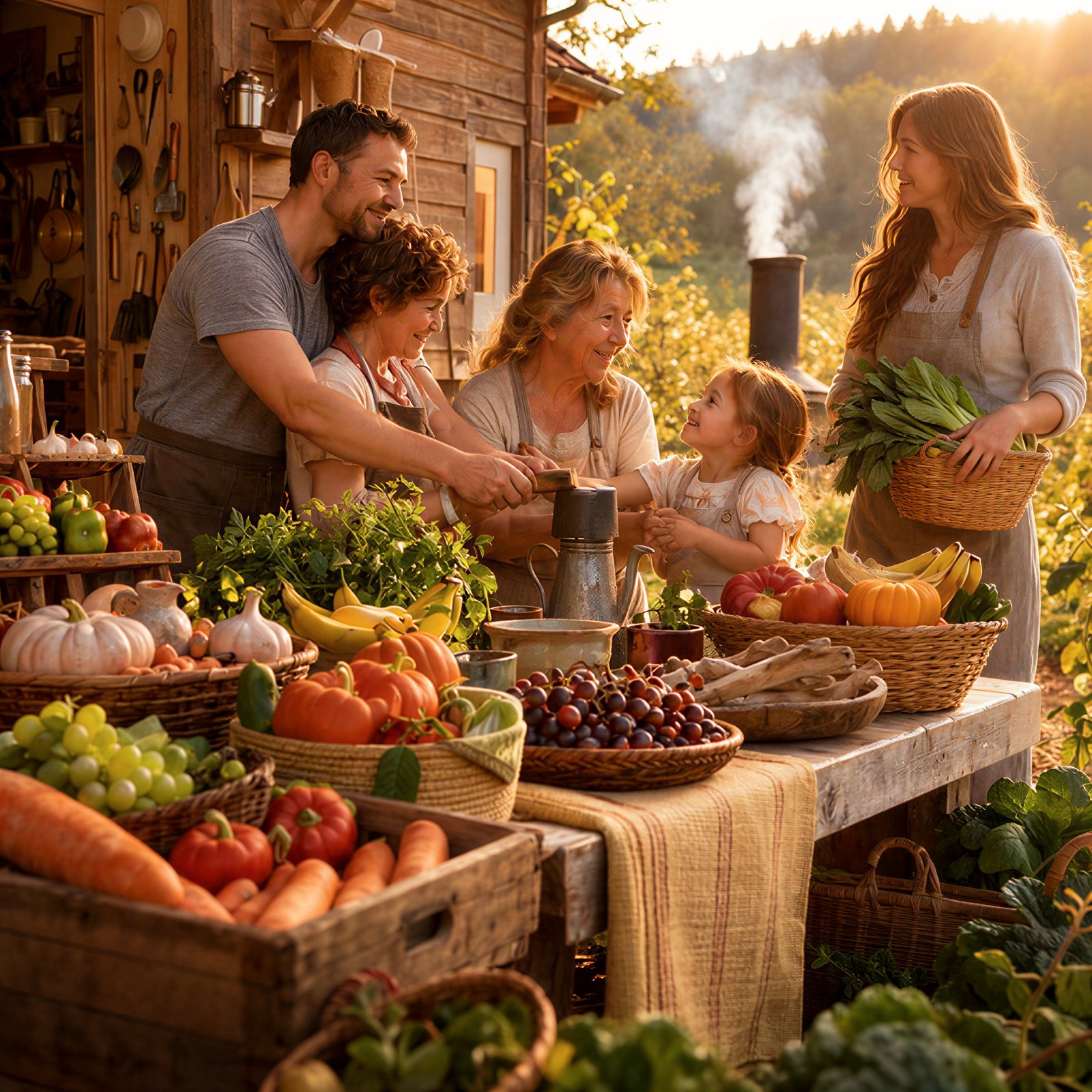
The transition, in pictures
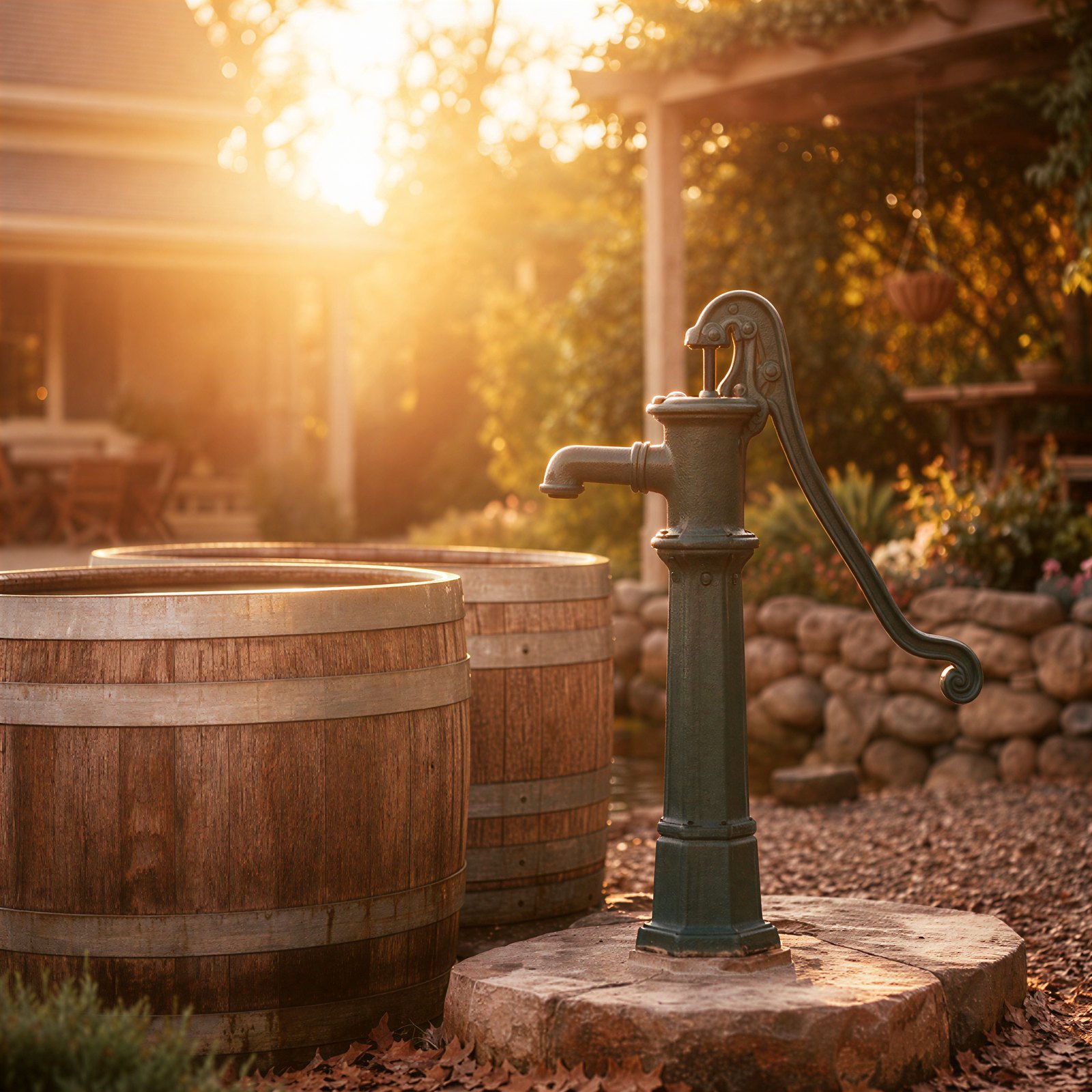
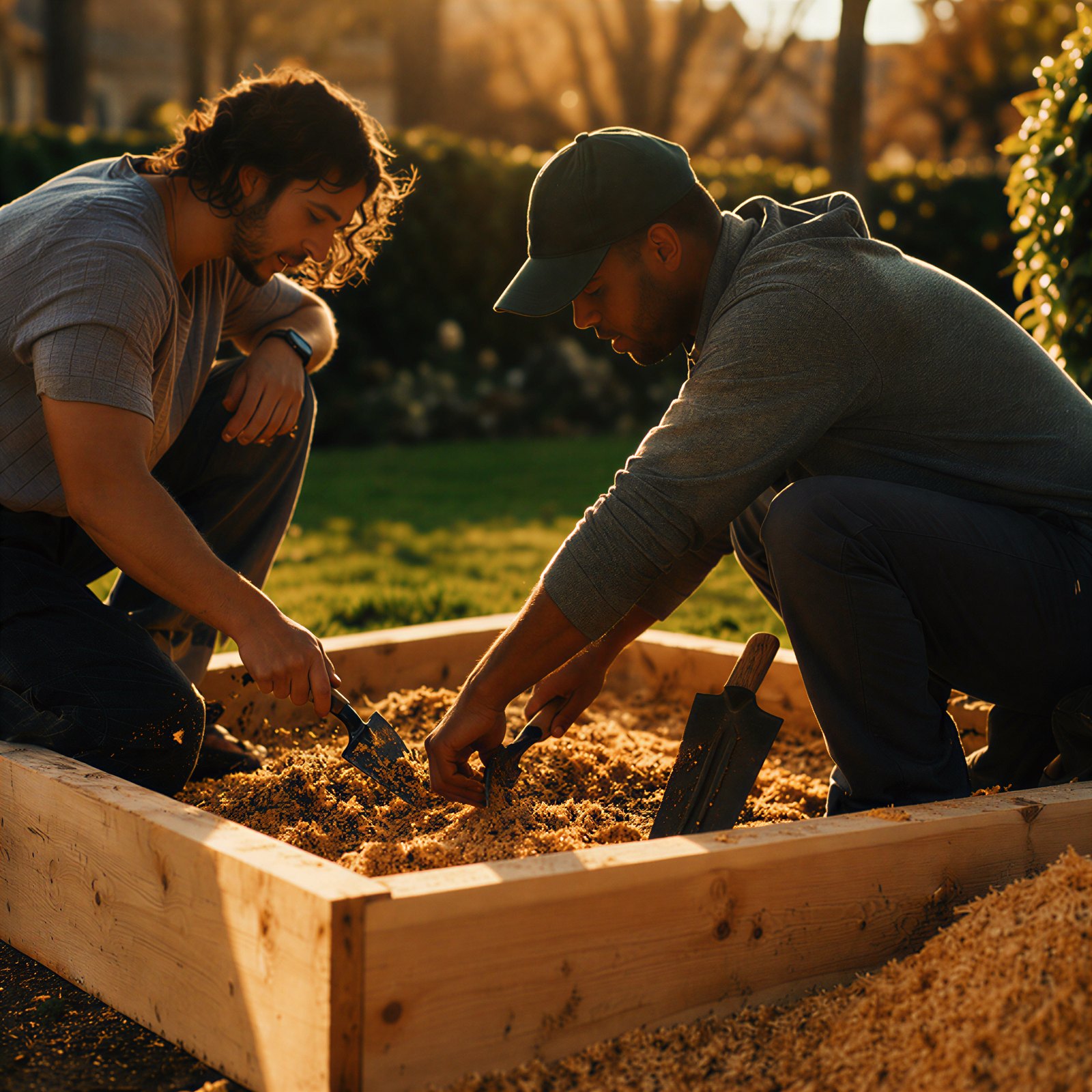
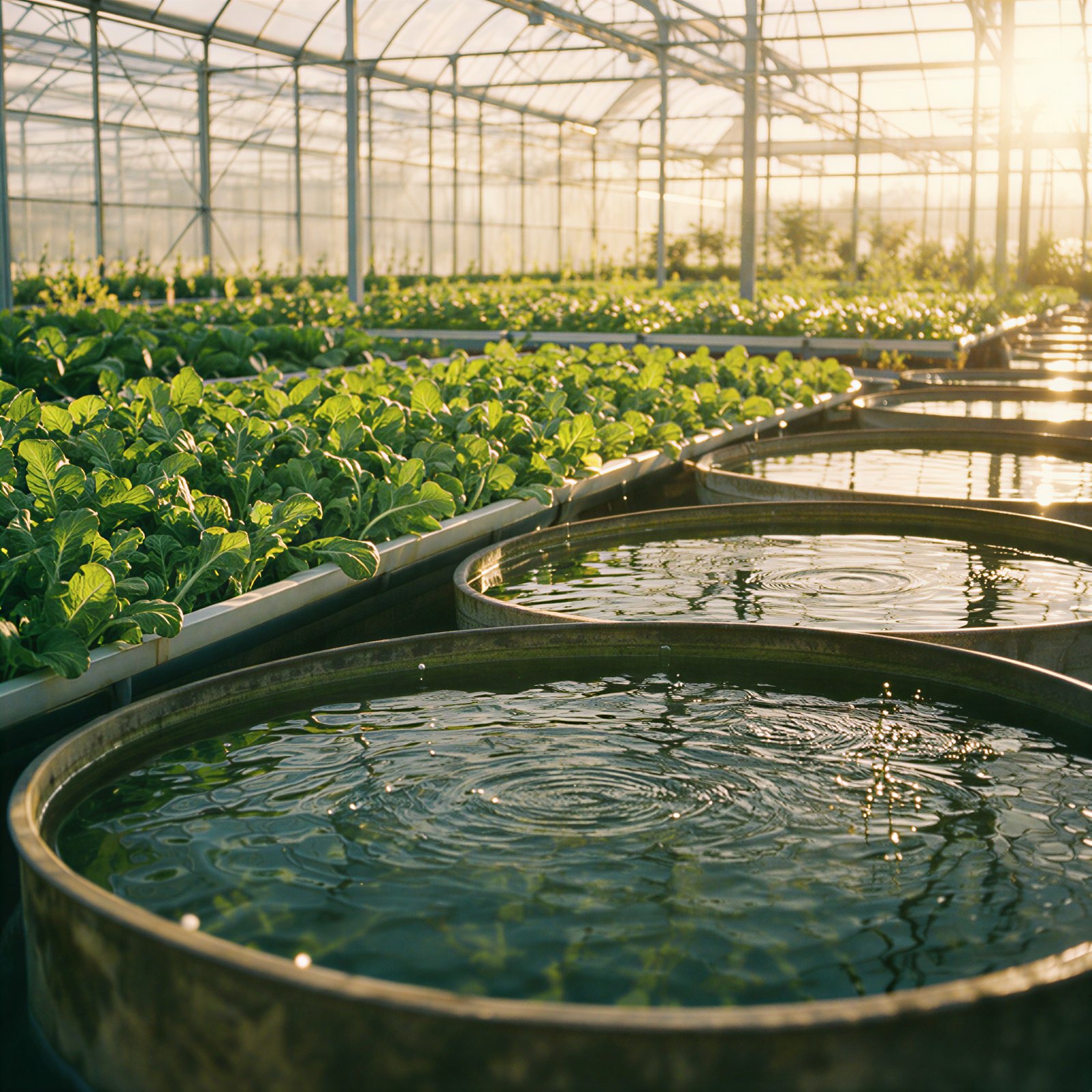
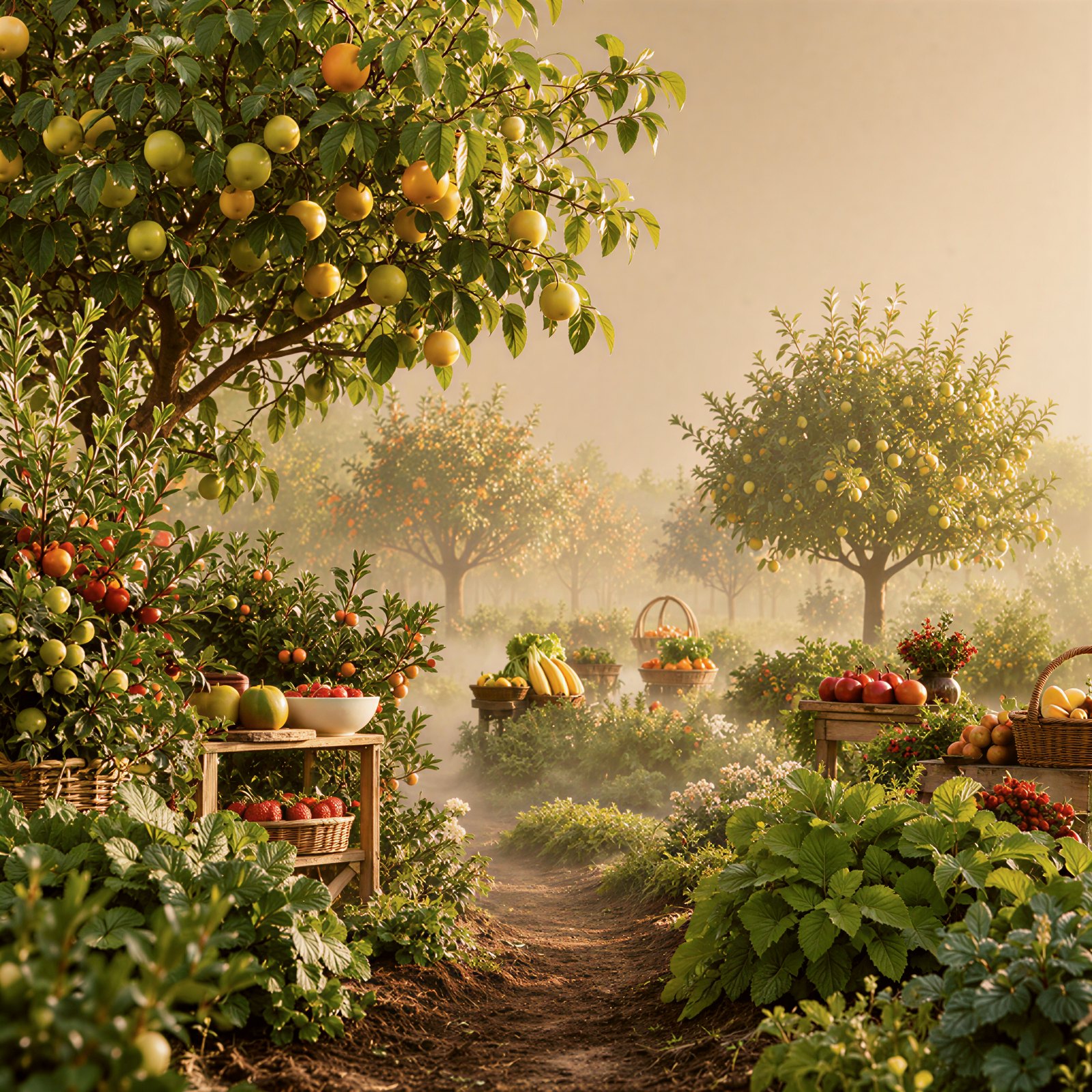
From grid-down to thriving — the arc this module walks you through. No tech after day one: hands, soil, water, and knowledge that works when nothing else does.


- 4 IBC totes, tilapia primary
- ~100 lbs fish/month at maturity
- 4 grow beds (4×8 ft) bio-filtration
- Backup generator for grid loss
- 200+ active plant sites
- Leafy greens & herbs primary
- 50% shade cloth in hard sun
- 5 ft towers, ~400 sq ft footprint
- Mango, avocado, citrus, banana, papaya
- Moringa, katuk, longevity spinach
- Sweet potato / perennial peanut ground cover
- ~40 lbs monthly average, seasonal
Total footprint
2,500 sq ft feeds a family indefinitely once mature: 200 sq ft fish, 400 sq ft towers, 800+ sq ft forest, rest in paths and water handling.
Aquaponics loop
- Fish waste feeds the beds; beds clean the water; water returns to fish.
- Tilapia: hardy, fast, forgiving — the beginner's protein engine.
- Stock 1 fish per 2 gallons to start; harvest 100 lbs/month at maturity.
- Aeration is life: if power fails, battery air-stones buy you 24h.
Water quality targets
- Temperature 75–85°F
- pH 6.8–7.2
- Ammonia < 0.5 ppm · Nitrite < 0.5 ppm
- Nitrate 5–150 ppm · Dissolved O2 > 5 ppm
When the sky falls
- Generator or solar keeps pumps alive — size for air stones first, lights never.
- No power? Hand-aerate 5 minutes every 2 hours; halve feeding immediately.
- Overfeeding kills more fish than hunger ever has.
Vertical tower playbook
- 25 towers × 8+ sites = 200+ plants in 400 sq ft.
- Leafy greens and herbs: fastest calories per square foot.
- 50% shade cloth above 90°F or greens bolt and bitter.
- Nutrient film from the fish loop — no soil, no weeding.
What to grow first
- Swiss chard — cut and come again for months.
- Kale and collards — cold-tolerant anchors.
- Basil, oregano, thyme — medicine, flavor and barter.
- Lettuce for morale. Morale is a crop too.
Food forest doctrine
- Plant perennials once; harvest for decades.
- Canopy: mango, avocado, citrus, banana, papaya.
- Shrub: moringa, katuk, longevity spinach.
- Ground cover: sweet potato, perennial peanut — living mulch that feeds you.
Cold-climate swap
- Zones 3–6: apple, pear, plum, hazelnut for canopy.
- Jerusalem artichoke — nearly unkillable perennial starch.
- Berry canes and currants for shrub layer.
Activity log
Loading library…